-
Decorating Ideas for Modern Bedroom Furniture Sets 2023
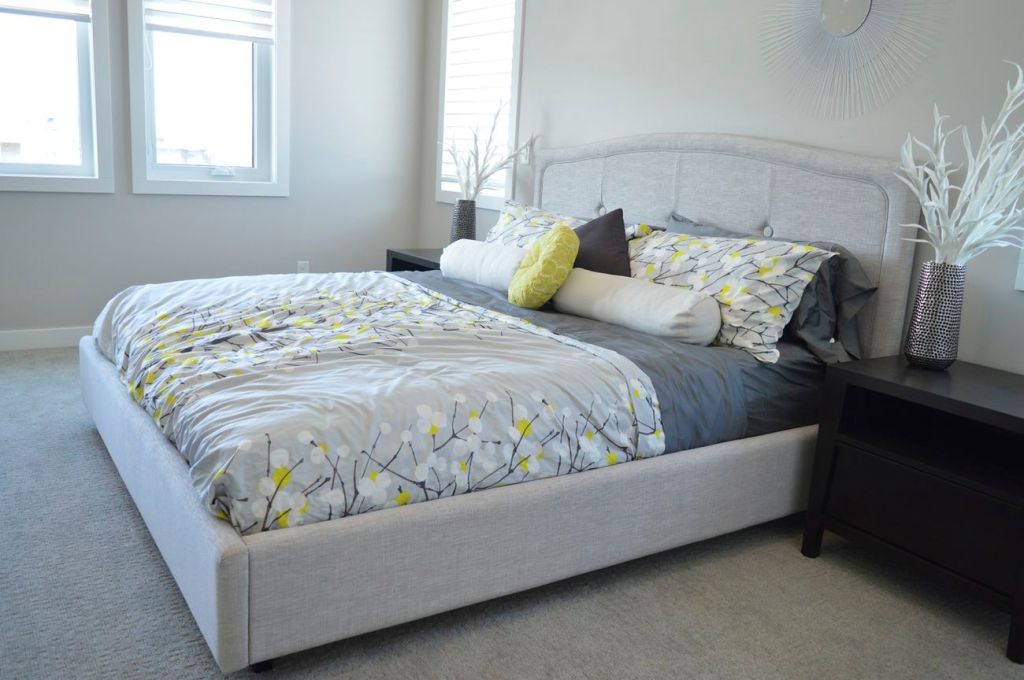
If you’re looking for a way to update your bedroom furniture sets in 2023, you’re in luck; you can go modern without breaking the bank. From sleek and minimalistic designs to bold and eye-catching pieces, there are plenty of ways to decorate your bedroom with modern bedroom furniture sets. Whether you’re looking for a complete makeover or just some small changes, here are some ideas to help get you started. With these decorating ideas, you can give your bedroom an instant upgrade without compromising on style or comfort.
Themes
There are many different themes that can be used to decorate a modern bedroom furniture set. Some of the most popular themes include:
-Contemporary: This theme is perfect for those who want a modern and sleek look for their bed furniture set. Contemporary furniture is typically made from clean lines and simple designs.
-Traditional: Traditional style furniture sets are perfect for those who want a classic and timeless look for their bedroom. Traditional furniture is typically made from wood materials and features intricate designs.
-Rustic: Rustic style furniture sets are perfect for those who want a warm and cozy feel for their bedroom. Rustic furniture is typically made from natural materials such as wood or stone and features rugged designs.
Colors
When it comes to decorating your bedroom with modern furniture sets, there are a few key things to keep in mind. One of the most important aspects is choosing the right colors. You want to select a color palette that is both calming and stylish. neutrals, like white, black, and grey, are always a good choice. You can also go for bolder colors if you want to make a statement. Just be sure to stick to a limited number of colors so that your space doesn’t look too busy.
Once you’ve decided on your colors, you’ll need to select the right furniture pieces. A bed is the centerpiece of any bedroom, so make sure to choose one that fits your style. There are many different types of beds available, from traditional designs to more contemporary ones. If you have a small space, you might want to consider a Murphy bed or a daybed. These offer great functionality and can be easily tucked away when not in use.
Other important pieces of furniture for your bedroom include nightstands, dressers, and mirrors. Again, it’s important to choose designs that complement your overall aesthetic. And don’t forget about storage! Make sure you have enough space to store all of your clothes and belongings. A chest of drawers or an armoire can be great choices for hiding away clutter.
Finally, don’t forget the details! Throw pillows, rugs, lamps, and artwork can all help pull your room together
Furniture
Furniture is one of the most important aspects of any bedroom. It can set the tone for the space and make or break the overall look. When it comes to modern bedroom furniture sets, there are endless possibilities.
For a truly modern look, opt for sleek and minimal pieces in neutral tones. This will give the space a clean and sophisticated feel. If you want to add a pop of color, choose one bold piece like a brightly colored headboard or dresser.
Another great option for modern bedroom furniture is to mix and match different styles. Choose a few key pieces in a contemporary style and mix them with vintage finds or traditional pieces. This will give the space personality and depth.
Finally, don’t be afraid to experiment with different materials. A mix of wood, metal, glass, and even plastic can create an interesting and unique look.
Accessories
- Accessories:
To complete your modern bedroom furniture set, consider adding some stylish accessories. A few ideas include:
-An alarm clock with a modern design
-A small table or desk lamp with a sleek base
-A vase or sculpture for your nightstand
-A throw blanket in a contemporary print or color
-Pillows in coordinating colors or patternsHow to Choose the Perfect Modern Bedroom Furniture Set
When it comes to choosing bedroom furniture, there are a few things you should keep in mind. First, you want to make sure that the furniture you choose is comfortable. Second, you want to make sure that the furniture is stylish and matches the rest of your décor. And lastly, you want to make sure that the furniture is affordable.
Here are a few tips on how to choose the perfect modern bedroom furniture set:
- Decide on a style: Before you start shopping for bedroom furniture, you need to decide on a style. Do you want a contemporary look? A more traditional look? Or something in between? Once you know what kind of style you’re going for, it will be easier to narrow down your choices.
- Consider your needs: What kind of furniture do you need? A bed, of course, but also a dresser, nightstand, and chest of drawers? Or just a bed and nightstand? Make a list of the pieces you need so you can shop with purpose.
- Think about comfort: Comfort is important when choosing bedroom furniture stores. You want furniture that looks good but is also comfortable to sit on or sleep in. Test out the beds and chairs before you buy them to make sure they’re comfortable enough for you.
- Choose quality over quantity: It’s better to have fewer pieces of high-quality furniture than a bunch of cheap pieces
Conclusion
Decorating your bedroom with modern furniture sets can be a great way to create an aesthetic space that is both stylish and inviting. With the right combination of colors, textures, and accents, you can easily transform any room into a comfortable retreat. Whether you prefer warm and cozy vibes or sleek and contemporary looks, there are plenty of decorating ideas for modern bedroom furniture sets in 2023 that will help you make your dream bedroom come alive. Let’s see which one speaks to you!
-
How to Choose a TV Cabinet
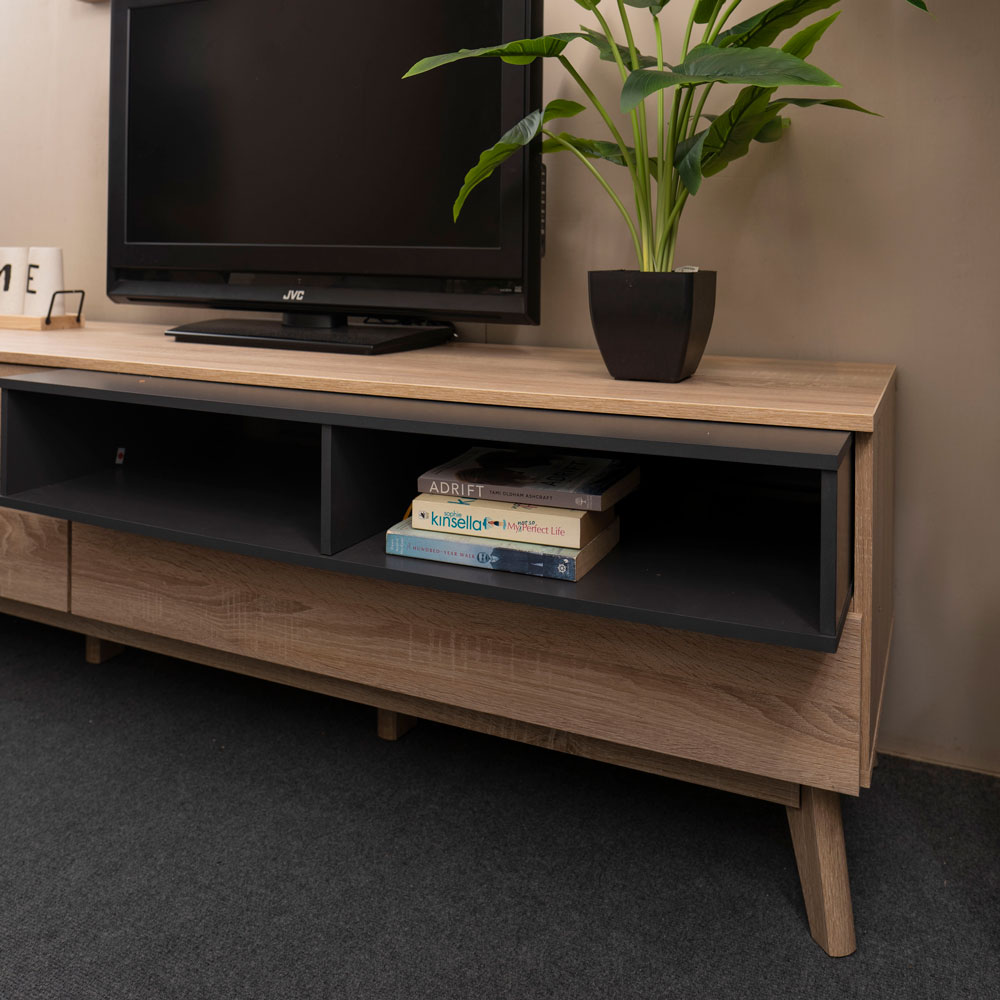
If you’re looking for a modern television cabinet with clean lines and simple joinery, this one is a great choice. Not only is it wide enough to hold a large television, it’s also wall-mountable and offers plenty of storage space for your media collection, electronics, and cables. It’s also a breeze to build, with instructions for making optional frosted glass panels.
Dimensions
It’s important to know the exact dimensions of your TV cabinet. The dimensions of your TV cabinet will determine how much room you need for the cabinet. When measuring for a new cabinet, make sure to include any sticking equipment in the measurements. For example, if your television is 55 inches wide, you’ll want to make sure the cabinet has enough room to accommodate it.
In addition to size, you’ll need to make sure you know the depth of your cabinet. A standard television cabinet depth is around 40cm. That’s enough depth to fit a large screen, and it also has room for several books and instructions. Remember to measure the distance from the cabinet to your television to ensure that it’s the right height.
TV dimensions vary depending on the brand and model. For most models, you’ll need a cabinet that’s a few inches wider and deeper than your television. This will prevent any overhangs or gaps when you integrate your new unit into your entertainment center.
Functions
While most television stands can be considered furniture pieces, a TV cabinet has a dual function. They not only serve as storage space for your television, but they can also help you organize your living room. A TV cabinet can be designed with drawers and a cable duct system for the convenience of storing cables.
If you want to decorate the space behind the TV cabinet, consider using potted plants or decorative boxes. Then, add a few personal pieces, such as books or pictures. You can also place a large tall vase of dried flowers to add a touch of rustic charm. A few small lamps can also add to the rustic feel.
While you’re at it, consider placing your TV cabinet along the wall. If possible, place decorative pieces on either side. This will draw attention away from the TV. You can also put a tall lamp on either side to add visual interest.
Styles
There are several styles of television cabinet. Some of them have sliding doors. Others are open. The style you choose will depend on your needs and preference. A sliding door can help you hide the TV when you are not watching it. You can also place a basket underneath the console. The under-console space can also be used to display decorative items such as candles.
Modern TV cabinets have unusual textures, materials, and shapes. They are designed to resemble wood. They are made from wood and often feature black accents. Rustic style is more suited for a country, farmhouse, or traditional styled room. It also complements plush leather upholstered furniture.
Corner television cabinets are often used in small spaces because they save on space. You should keep only a few electronics in such cabinets. They tend to look weird when placed on corners.
Price
There are several factors to consider when choosing the right TV cabinet for your room. One important factor is its price. A low-priced unit with a bare-bones design can look nice if you’re on a tight budget. These types of TV cabinets are usually quite plain and lack any unnecessary details, which helps keep the price down. These units often consist of a laminated ledge and are only suitable for bedrooms and living rooms.
A TV cabinet market research report can help you make an informed decision. It provides insights based on original consultations with key players in the industry. These interviews include suppliers, manufacturers, and distributors. The market report also contains data on the major players in the market. For example, it will give you a better understanding of how much the TV cabinet market is worth and what factors may drive it down.
The TV cabinet market is segmented by type and end-use industry. This helps identify the key applications and target markets.
-
Subscribe
Subscribed
Already have a WordPress.com account? Log in now.
 tv cabinet styles